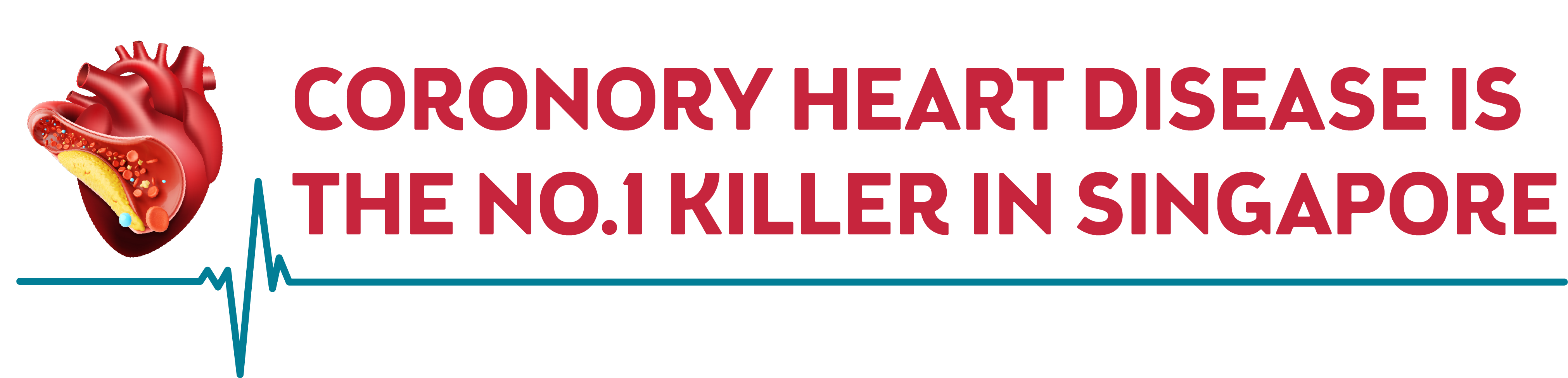
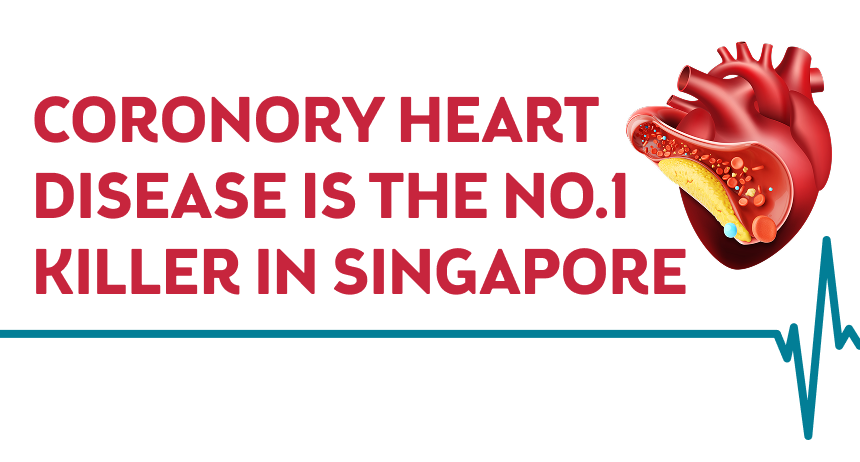
HIGH BLOOD CHOLESTEROL IS A MAJOR RISK FACTOR FOR HEART DISEASE
WHAT IS CHOLESTEROL?
Cholesterol is a fatty substance found naturally in the blood. Your body needs it to function normally — cholesterol is needed to build cells, make vitamins and other hormones. However, too much of the wrong cholesterol can cause problems. It may raise the risk for heart and blood vessel problems.
Cholesterol is important to carry out these functions in your body:
- Cell membrane structure: Forms the structure around each cell (the cell membrane) and protects it
- Bile production: Helps your liver produce bile acid, which digests the food you eat and ensures the absorption of important nutrients
- Vitamin D synthesis: Your body uses cholesterol to produce Vitamin D which keeps your bones, muscles, and teeth healthy
- Hormone production: Building block for vital hormones like estrogen and testosterone
Cholesterol is carried through the bloodstream by special proteins called lipoproteins. They deliver cholesterol to your body’s tissues to help them work properly. Some lipoproteins pick up extra cholesterol and carry it to your liver. Your liver then breaks down the cholesterol and gets rid of it.

TYPES OF CHOLESTEROL
Your total cholesterol level includes LDL (‘bad’) cholesterol and HDL (‘good’) - cholesterol and the balance between the levels of these two types of cholesterol is very important.

HDL (High-Density-Lipoprotein) is good cholesterol

LDL (Low-Density-Lipoprotein) is bad cholesterol 3
HDL (‘good’ cholesterol) removes cholesterol from the cells before they are deposited as plaque in the arteries, thus preventing the build-up of fats in the arteries.
LDL (‘bad’ cholesterol) will increase the build-up of fats in the arteries and may cause the arteries to be clogged, restricting blood flow to vital organs. You do need some LDL cholesterol in your blood, however, too much of it may result in health problems.
TOO MUCH LDL CHOLESTEROL CAN:

BUILD UP IN YOUR ARTERIES
REDUCE BLOOD FLOW

INCREASE YOUR RISK OF: HEART DISEASE,
STROKE AND HEART ATTACK
AM I AT RISK?
High cholesterol can sneak up on anyone because it is a silent problem, with no symptoms.3 You may be at risk if you:
EAT HIGH FAT OR PROCESSED FOODS REGULARLY
DON'T EXERCISE REGULARLY

DRINK ALCOHOL OFTEN
SMOKE REGULARLY
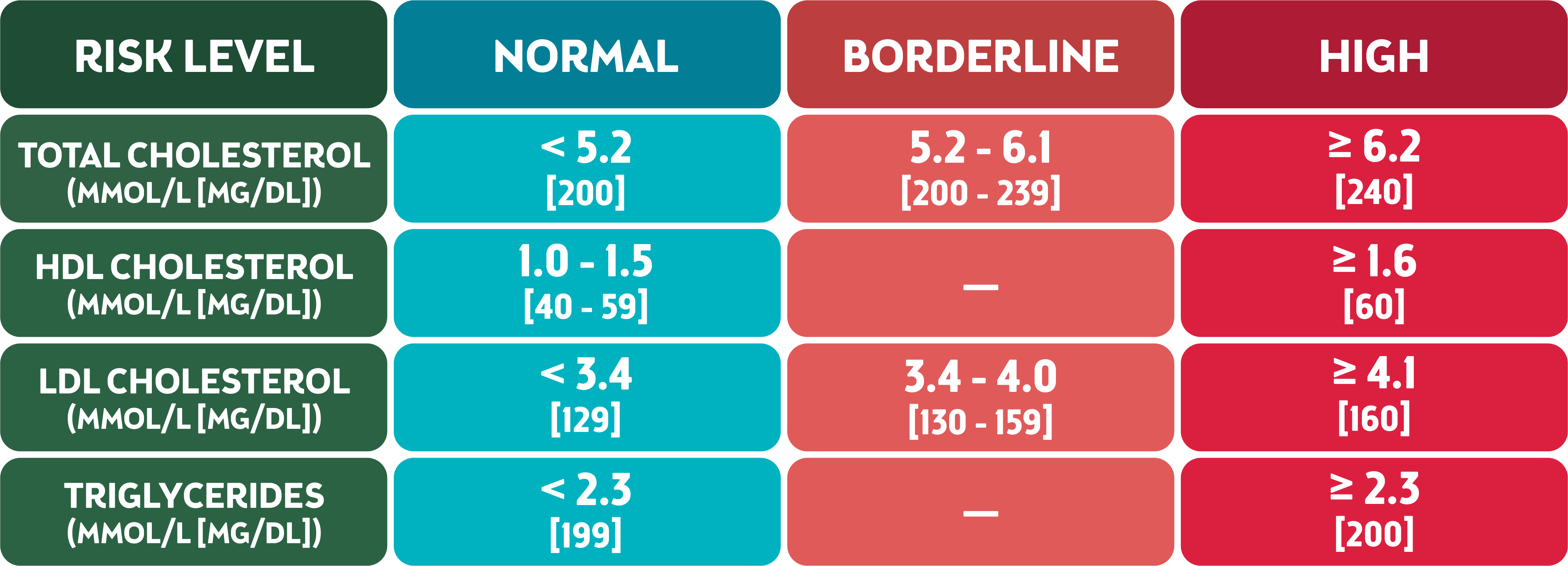
TARGET LEVEL3,11:
You will find out your: Total cholesterol, LDL (bad), HDL (good) and Triglycerides.
EVERYDAY HABITS THAT HELP LOWER CHOLESTEROL
Managing cholesterol is all about building daily habits to support your heart health. By maintaining healthy cholesterol levels, this could help prevent heart diseases. Here are some daily habits that can make a big impact:
STAY PHYSICALLY ACTIVE
Your health is your wealth — make time for regular exercise to stay fit and well. Aim for at least 150 minutes of moderate activity weekly to raise HDL cholesterol levels and reduce LDL cholesterol levels.
EAT MORE FRUITS, VEGETABLES AND FIBRE
Frequent consumption of fast food can contribute to health issues. Choose meals low in saturated fat and salt, and aim to include fruits, vegetables, and fibre in your daily diet.16,17 Loading up on soluble fibre (found in oats, beans, apples and lentils) can also help lower LDL cholesterol.
CHOOSE HEALTHIER WAYS TO COOK
The way you prepare your meals can be just as important as what you are eating. There are tasty, nourishing techniques such as grilling, steaming, boiling and baking. Try to limit techniques that require large amounts of oil, such as deep-frying or pan-frying.
SWITCH TO HEALTHIER FATS
Not all fats are bad for you.18 Switch to healthier, unsaturated fats like vegetable oil (olive oil, avocados, nuts and fatty fish). Avoid trans fats such as packaged snacks or baked goods.
References:
Magnolia Cholest Care is a special purpose food intended for people who want to lower their blood cholesterol level. Each serving of 70ml contains 2g of plant stanols. Consumption of at least 2g/day of plant stanols has been shown to lower blood cholesterol levels. Include Magnolia Cholest Care as part of a balanced and varied diet. Consumption of more than 3g/day of plantstanols do not provide any additional benefit in lowering blood cholesterol. May not be nutritionally appropriate for pregnant and breastfeeding women and children under five years old. Johns Hopkins Medicine. Cholesterol in the Blood. Available at: https://www.hopkinsmedicine.org/health/conditions-and-diseases/high-cholesterol/cholesterol-in-the-blood. Accessed March 2021. Health Hub. High Blood Cholesterol. Available at: https://www.healthhub.sg/a-z/diseases-and-conditions/52/highbloodcholesterol. Accessed March 2021. Ministry of Health Singapore. National Health Survey 2010. Available at: https://www.moh.gov.sg/docs/librariesprovider5/resources-statistics/reports/nhs2010- --low-res.pdf. Accessed March 2021. Saklayen MG. Curr Hypertens Rep 2018;20:12. Health Hub. Fruits and Veggies. Available at: https://www.healthhub.sg/programmes/56/fruits-and-veggies.Accessed March 2021. Health Hub. Getting the Fats Right! Available at: https://www.healthhub.sg/live-healthy/458/Getting%20the%20Fats%20Right%21. Accessed April 2021. Blair SN et al. Am J Cardiol 2000;86:46–52. 9Vuorio AF et al. Arterioscler Thromb Vasc Biol 2000;20:500–506. 10Castro Cabezas M et al. J Am Diet Assoc 2006;106:1564–1569. Ministry of Health (MOH) Singapore. Lipids MOH Clinical Practice Guidelines 2016. Available from: https://www.moh.gov.sg/docs/librariesprovider4/guidelines/moh-lipids-cpg---booklet.pdf. Spilburg CA et al. J Am Diet Assoc 2003;103:577–581. 13Mensink RP et al. Atherosclerosis 2002;160:205–213. F&N. Data on file. 15Rosin S et al. Cholesterol 2015:706970. 16Párraga-Martínez I et al. Rev Esp Cardiol (Engl Ed) 2015;68:665–671. https://www.benecol.com.sg/about-benecol